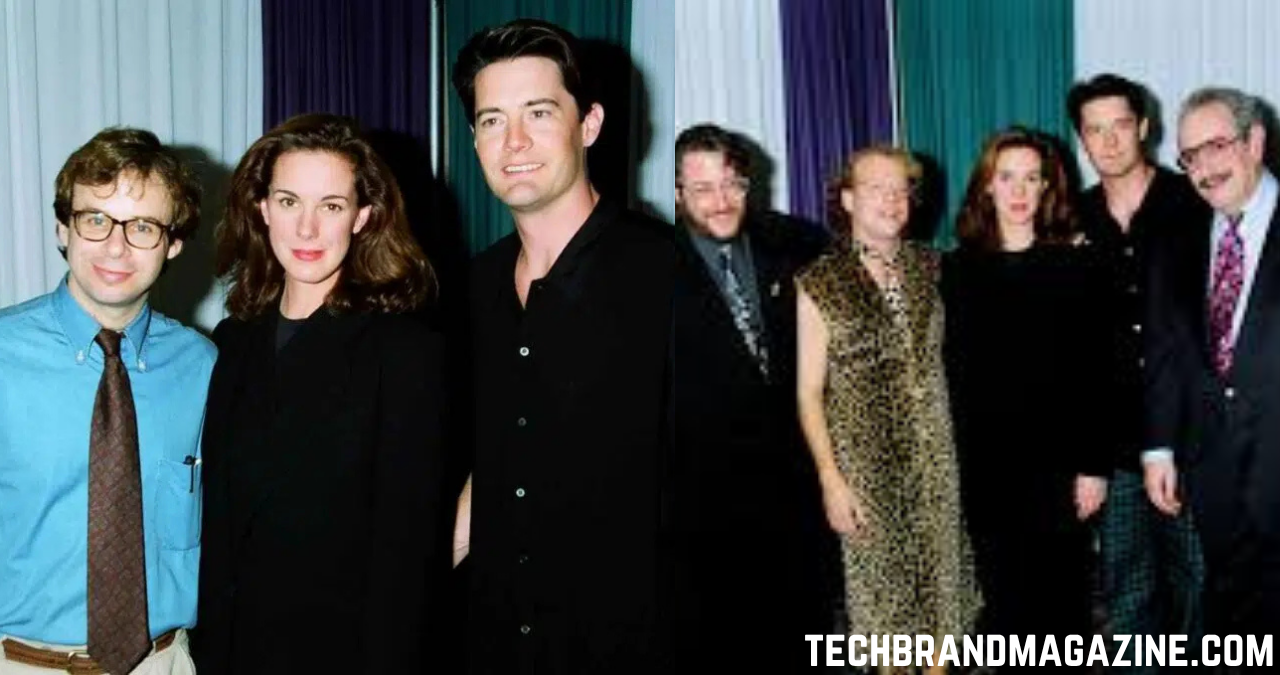

Ronald Leyser is recognized as a creative personality whose work in filmmaking reflects a thoughtful blend of artistic expression and narrative depth. While not always positioned in mainstream commercial cinema, his name is often associated with a more independent and interpretive approach to visual storytelling. His contributions are frequently discussed in the context of European filmmaking traditions, where personal vision and stylistic experimentation play a Ronald Leyser role. Understanding his journey begins with exploring the foundational years that shaped his creative outlook and professional identity.
From an early stage, Leyser’s background is often described as one rooted in cultural curiosity and exposure to artistic environments. Growing up in Germany, he would have been surrounded by a rich cinematic heritage that included both classical European cinema and emerging modern film movements. This environment likely influenced his perception of storytelling, encouraging him to view film not just as entertainment but as a medium for deeper expression. Early influences may have included literature, theater, and visual arts, all of which commonly shape filmmakers of his generation.
His formative years are important in understanding how he developed an interest in directing and visual storytelling. Many filmmakers begin by observing everyday life through a more interpretive lens, and Leyser appears to have followed a similar path. Whether through education or self-driven exploration, he gradually built an understanding of how narrative structure, character development, and visual composition come together in film. This foundation later became essential in shaping his professional identity.
The early phase of his life also reflects the broader cultural shifts in European cinema during the late 20th century. Filmmakers were increasingly experimenting with personal storytelling styles, breaking away from rigid studio systems. In this evolving landscape, Leyser’s early exposure to artistic freedom would have played a crucial role in defining his creative direction. These beginnings set the stage for a career that would later explore more nuanced and expressive forms of filmmaking.
Entry into Filmmaking and Career Development
The entry of Ronald Leyser into the film industry represents the transition from artistic interest to professional practice. Like many filmmakers, his early career likely involved working on smaller projects, assisting in production environments, or collaborating with other creatives. These initial steps are essential in building both technical skills and industry awareness. In such environments, emerging filmmakers learn how storytelling translates from concept to screen.
As he developed professionally, Leyser would have encountered the challenges common to the film industry, including limited resources, competitive environments, and the need to establish a unique creative voice. Breaking into filmmaking often requires persistence and adaptability, especially in European cinema, where independent productions play a significant role. These early experiences likely helped him refine his artistic identity while gaining practical knowledge of directing, editing, and production coordination.
Over time, Leyser’s involvement in film projects would have expanded, allowing him to take on more significant creative responsibilities. Whether working on independent films, collaborations, or experimental projects, each opportunity contributed to his growth as a filmmaker. Career development in this field is often nonlinear, shaped by both successes and setbacks, and Leyser’s journey reflects this dynamic progression.
His career path also highlights the importance of collaboration in filmmaking. Directors rarely work in isolation; instead, they rely on networks of writers, cinematographers, actors, and producers. Through these collaborations, Leyser would have refined his storytelling approach, learning how to balance artistic vision with practical execution. This phase of his career laid the groundwork for his later recognition and creative contributions.
Artistic Style, Influence, and Critical Reception
The artistic style of Ronald Leyser is often associated with introspective storytelling and a focus on human emotion. His work reflects a sensitivity toward character-driven narratives, where visual composition and atmosphere play a key role in conveying meaning. Rather than relying solely on fast-paced or commercial storytelling techniques, his approach tends to emphasize depth, subtlety, and emotional resonance.
One of the defining aspects of his creative vision is the influence of European cinema traditions, which often prioritize realism, symbolism, and psychological complexity. These influences can be seen in how filmmakers like Leyser structure narratives that encourage viewers to engage thoughtfully with the story. His style may also incorporate experimental elements, reflecting a willingness to explore unconventional storytelling techniques.
Critical reception of his work varies depending on the context of each project, but filmmakers with similar approaches are often appreciated within artistic and festival circuits. Critics tend to evaluate such work based on originality, thematic depth, and emotional impact rather than commercial success alone. In this regard, Leyser’s contributions can be seen as part of a broader tradition of independent filmmaking that values artistic integrity.
Audience reception also plays an important role in shaping his legacy. While not always mainstream, films with strong artistic identities often develop dedicated audiences who appreciate their uniqueness. Over time, this can lead to a lasting cultural footprint, where the filmmaker’s work continues to be studied and appreciated beyond its initial release period.
Personal Life, Challenges, and Professional Evolution
The personal life of Ronald Leyser, while not always extensively documented in public discourse, is an important element in understanding his creative output. Filmmakers often draw inspiration from personal experiences, relationships, and emotional journeys, which subtly influence the themes they explore in their work. This connection between life and art is especially strong in independent cinema.
Like many in the creative industry, Leyser likely faced professional challenges such as funding limitations, production constraints, and the difficulty of maintaining creative independence. These obstacles are common in filmmaking and often shape the direction of a director’s career. Overcoming such challenges requires resilience and adaptability, qualities that contribute to long-term artistic development.
Career evolution in filmmaking is rarely linear, and Leyser’s journey reflects the broader realities of the industry. As trends in cinema change, filmmakers must adapt their techniques and storytelling methods while staying true to their vision. This balance between innovation and consistency is a defining feature of sustained creative careers.
His professional evolution also demonstrates the importance of persistence in artistic fields. Even when faced with setbacks, continued engagement with creative work allows filmmakers to refine their voice and strengthen their impact. Over time, this process contributes to a deeper and more mature body of work that reflects both personal growth and artistic refinement.
Legacy and Contribution to Cinema
The legacy of Ronald Leyser can be understood through his contribution to the broader landscape of cinematic storytelling. His work represents a segment of filmmaking that values artistic expression, emotional depth, and narrative experimentation. These qualities ensure that his influence remains relevant within discussions of independent and European cinema.
His contributions also highlight the importance of filmmakers who operate outside mainstream commercial frameworks. Such creators often push the boundaries of storytelling, introducing new perspectives and techniques that influence future generations. Even if not widely known in popular culture, their impact can be significant within artistic communities.
Leyser’s legacy is further strengthened by the enduring nature of film as a medium. Unlike many forms of art, cinema allows creative works to be revisited and reinterpreted over time. This means that his contributions can continue to inspire audiences, students, and filmmakers long after their initial release.
Ultimately, his place in cinematic history is defined not only by specific works but also by the artistic values he represents. These include creativity, independence, and a commitment to meaningful storytelling, all of which remain central to the evolution of global cinema.
Conclusion
Ronald Leyser stands as a representation of thoughtful and independent filmmaking within the broader cinematic world. His journey reflects the challenges and rewards of pursuing a creative career in film, particularly within the European tradition of artistic storytelling. Through his work, he contributes to a legacy of cinema that values depth, expression, and individuality over commercial conformity. His influence continues to resonate in discussions about meaningful and character-driven filmmaking.
FAQs
1. Who is Ronald Leyser?
He is a German filmmaker known for his contributions to independent and artistic cinema.
2. What type of films is he associated with?
He is associated with character-driven, artistic, and often introspective filmmaking styles.
3. What influences shaped his work?
European cinema traditions, artistic culture, and narrative experimentation influenced his approach.
4. Is Ronald Leyser a mainstream director?
He is more closely associated with independent and artistic film circles rather than mainstream commercial cinema.
5. What is his legacy in filmmaking?
His legacy lies in contributing to creative, expressive, and independent storytelling in cinema.