
Mick Harford is a well-known figure in English football, celebrated for his remarkable journey as a powerful striker, respected coach, and influential football leader. Born in England, Harford built a reputation as one of the most physically dominant forwards of his era, combining strength, aerial ability, and a relentless playing style that made him a nightmare for defenders. His name remains strongly associated with traditional English football, where grit and determination often define success as much as technical skill.
Beyond his playing days, Harford’s influence has continued to grow in coaching, mentorship, and football administration. He is widely respected not only for what he achieved on the pitch but also for how he contributed to the development of clubs and players off it. His long-standing connection with Luton Town FC has further cemented his legacy as a club icon. For many fans, Harford represents loyalty, resilience, and the spirit of English football at its core.
Today, Mick Harford is remembered as more than just a striker—he is a football servant whose impact spans generations. His career story is a blend of determination, leadership, and passion for the game, making him a significant figure in football history worth exploring in depth.
Early Life and Beginnings in Football
Mick Harford’s early life played a crucial role in shaping the determined and hardworking personality he became known for in professional football. Growing up in England, he developed a deep love for the sport from a young age. Like many aspiring footballers of his generation, Harford’s journey began in local football environments where physicality, discipline, and consistency were highly valued. These early experiences helped him build the foundation for a career defined by strength and perseverance.
As he progressed through youth and semi-professional levels, Harford’s natural ability as a forward became increasingly evident. His physical presence, combined with an instinct for goal-scoring, set him apart from many of his peers. Coaches quickly recognized his potential, particularly his ability to hold up the ball, win aerial duels, and lead the attacking line with authority. These traits would later become hallmarks of his professional identity.
Breaking into professional football was not an overnight success for Harford, but rather the result of persistence and hard work. Once given the opportunity, he made a strong impression through his aggressive playing style and commitment on the pitch. His early career steps laid the groundwork for what would become a long and impactful journey in English football, eventually leading him to some of the country’s most competitive clubs.
Playing Career Highlights
Mick Harford’s playing career is best remembered for his powerful presence as a traditional centre-forward. He was the kind of striker defenders disliked facing—strong in the air, fearless in physical battles, and always willing to put himself in dangerous positions to score goals. His style was not just effective but also emblematic of English football during the era he played in, where toughness and direct attacking play were highly valued.
Throughout his career, Harford played for several notable clubs, making a significant impact wherever he went. His time at Nottingham Forest helped establish him as a reliable striker at the top level, while his spell at Coventry City further highlighted his ability to score goals consistently. However, it was his connection with Luton Town FC that truly defined his legacy. At Luton, he became a fan favourite, admired for his commitment, leadership, and crucial goals in important matches.
Harford also had a spell at Chelsea, where he continued to demonstrate his experience and attacking intelligence. Across all clubs, he was known for stepping up in big moments, whether in league matches or cup competitions. His ability to influence games through physical dominance and determination made him a valuable asset throughout his career. These highlights collectively shaped him into one of the most respected forwards of his generation.
Transition from Player to Coach and Football Leader
After retiring from professional football, Mick Harford smoothly transitioned into coaching and football management roles. His deep understanding of the game, combined with years of experience as a striker, made him a natural fit for leadership positions within clubs. Rather than stepping away from football entirely, he chose to continue contributing to the sport in a different but equally important capacity.
Harford’s coaching journey included various roles where he supported team development, player mentoring, and tactical planning. His ability to relate to players, especially strikers, made him an effective mentor. He understood the mental and physical demands of professional football, which allowed him to guide younger players through challenges both on and off the pitch. His presence in coaching setups was often associated with stability and motivation.
One of the most significant aspects of his post-playing career has been his continued involvement with Luton Town FC. Returning in leadership and advisory roles, Harford played a key part in shaping the club’s direction, recruitment strategy, and football philosophy. His influence helped strengthen the club’s identity and long-term planning, reinforcing his status as a vital figure in Luton Town’s modern history.
Leadership Role at Luton Town and Lasting Legacy
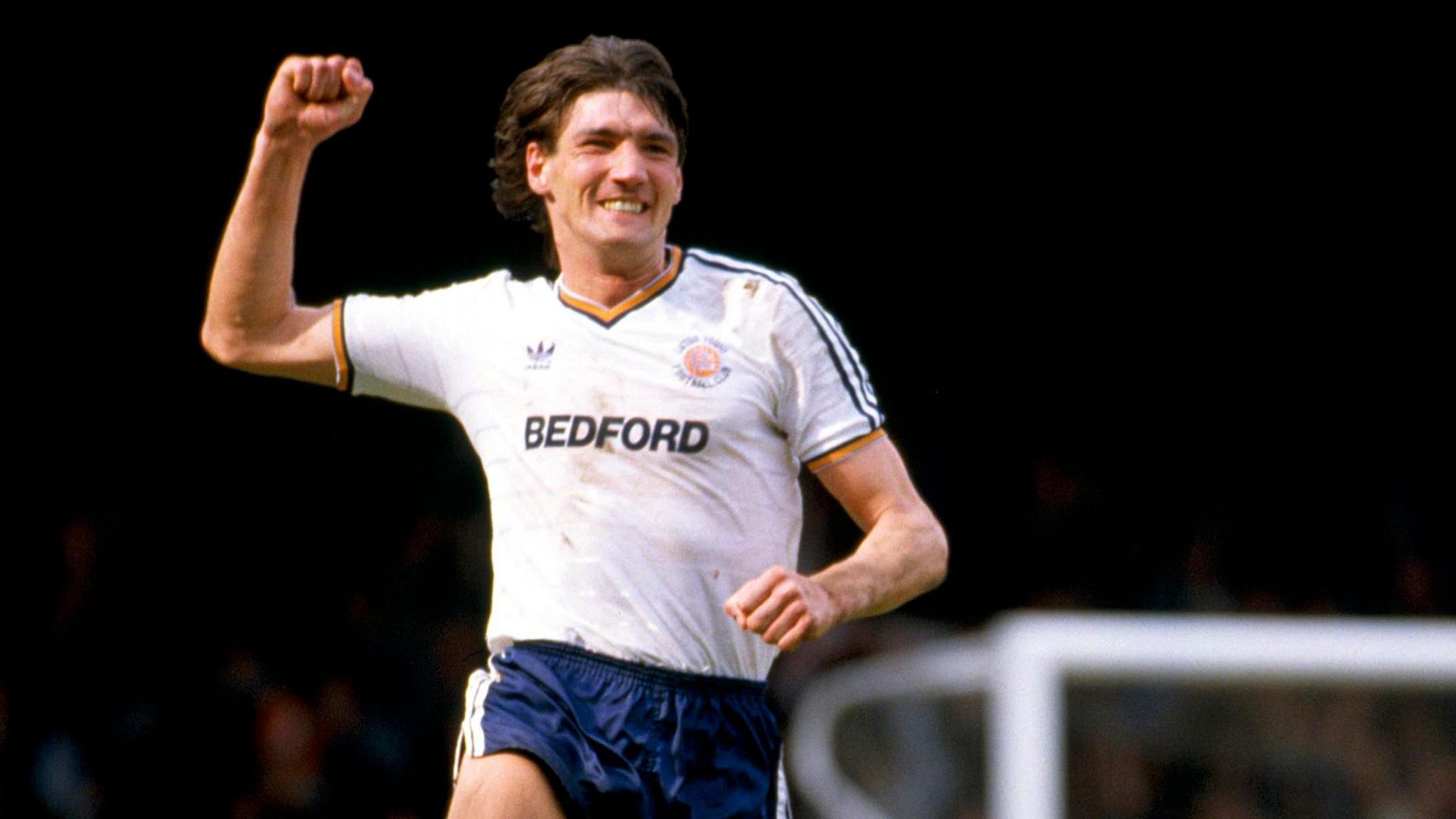
Mick Harford’s leadership role at Luton Town FC is one of the most defining chapters of his career beyond playing. He became an important figure in the club’s structure, contributing not just to team performance but also to overall club development. His experience and football knowledge allowed him to influence key decisions that helped stabilize and grow the club during important periods.
Harford’s impact extended beyond tactics and recruitment. He helped shape the culture of the club, emphasizing hard work, unity, and resilience—values that mirrored his own playing career. Players and staff often described him as a motivator who understood what it meant to fight for results, especially in challenging circumstances. His leadership style was practical, honest, and deeply rooted in real football experience.
Fans of Luton Town regard Harford as more than just a former player or coach; he is seen as a symbol of loyalty and dedication. His long-term association with the club has created a legacy that continues to inspire supporters and players alike. Through both success and adversity, he has remained a central figure in the club’s journey, reinforcing his status as a true legend in its history.
Conclusion
Mick Harford’s football journey is a powerful example of dedication, resilience, and lifelong commitment to the sport. From his early days as a determined young striker to his rise as a respected professional footballer, he consistently demonstrated the qualities that define success in English football. His playing career, marked by strength and consistency, left a lasting impression across multiple clubs.
However, his influence did not end with retirement. Through coaching and leadership roles, particularly with Luton Town FC, Harford continued to shape the game from behind the scenes. His contributions have helped guide clubs through critical phases, while his mentorship has influenced countless players.
Ultimately, Mick Harford stands as a figure who embodies the spirit of English football—tough, committed, and deeply passionate about the game. His legacy continues to grow, not just through statistics or achievements, but through the respect he has earned across generations of football fans.
FAQs
1. Who is Mick Harford?
Mick Harford is a former English professional footballer, striker, coach, and football director known for his strong playing style and leadership in football management.
2. Which club is Mick Harford most associated with?
He is most strongly associated with Luton Town FC, where he became a club legend both as a player and in leadership roles.
3. What position did Mick Harford play?
He played as a centre-forward, known for his physical strength, aerial ability, and goal-scoring instincts.
4. Did Mick Harford work as a coach after retiring?
Yes, he moved into coaching and football leadership roles, contributing significantly to player development and club strategy.
5. Why is Mick Harford considered important in English football?
He is respected for his impactful playing career, leadership qualities, and long-term contribution to clubs, especially Luton Town, where he remains a key figure in their history.