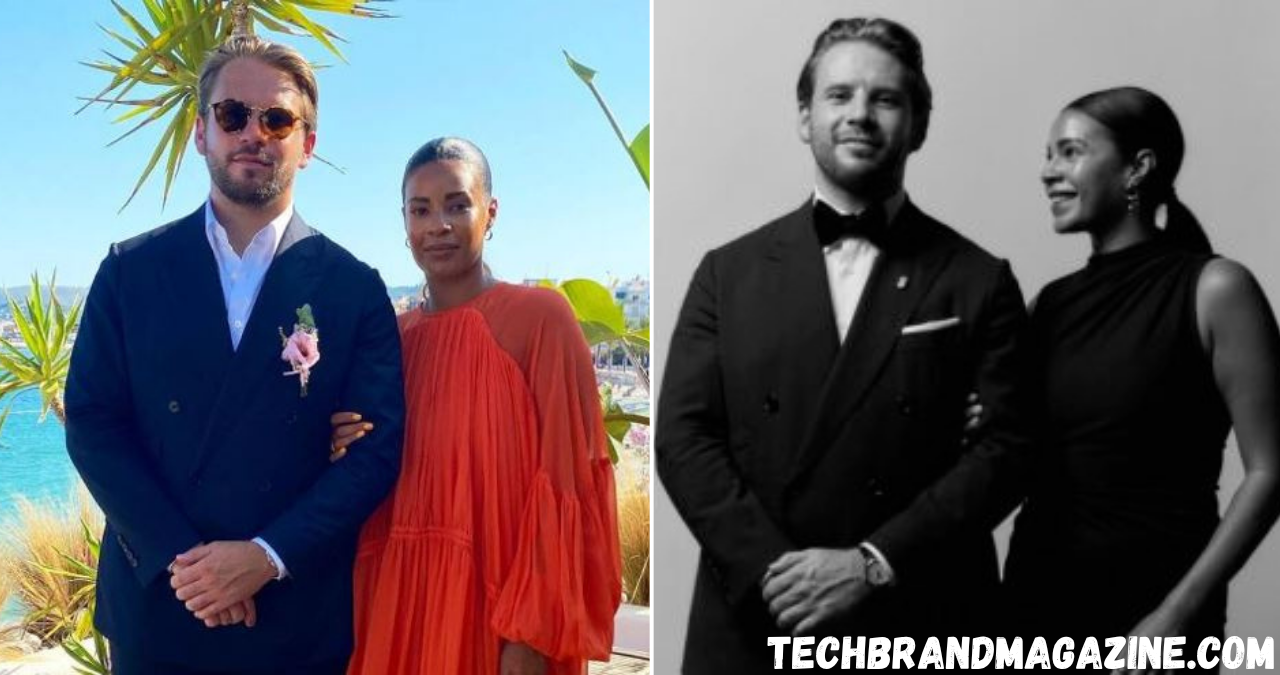

Jackie Rozo is a name that appears in discussions surrounding a widely reported and complex legal matter that has drawn significant public and media attention over the years. While detailed public information about her personal life remains limited, her identity is often referenced in connection with broader narratives involving high-profile allegations, legal testimonies, and investigative reporting. As a result, Jackie Rozo has become a figure of interest not because of celebrity status, but due to her association with events that have been heavily scrutinized in public discourse.
In many cases involving sensitive legal proceedings, individuals who are not public figures suddenly find their names circulating in media reports, court discussions, or online commentary. Jackie Rozo is one such example where her name is tied to broader conversations about accountability, testimony, and the challenges of interpreting legal narratives through media coverage. This has led to curiosity about her background, her role, and the accuracy of the information shared about her.
Despite the attention, it is important to recognize that publicly verified details about Jackie Rozo remain limited. Much of what is discussed in relation to her comes from secondary reporting or references within larger legal contexts. This makes it essential to approach her story with caution, separating confirmed facts from speculation. Her case illustrates how individuals can become part of public discussions without being traditional public figures, especially when connected to high-profile investigations.
Early Life and Background
The early life of Jackie Rozo is not extensively documented in public records, which is common for individuals who are not celebrities or political figures. What is generally understood is that she maintained a private life prior to being associated with any widely reported legal matter. Like many individuals drawn into public attention through indirect involvement in legal proceedings, her background has not been a central focus of media reporting, which instead concentrates on the broader case context.
In situations like these, the lack of detailed biographical information often leads to gaps that are filled by speculation or assumptions. However, responsible reporting emphasizes that not all individuals connected to legal narratives have publicly available personal histories. Jackie Rozo’s early life, therefore, remains largely outside the public domain, reflecting a broader issue of privacy in legal storytelling where only selective details become visible.
It is also important to understand that individuals like Jackie Rozo may have lived entirely private lives before their names appeared in legal or media discussions. Their education, upbringing, and personal milestones may not be documented in accessible sources, and this absence of information should not be interpreted as relevance or irrelevance to the case itself. Instead, it highlights the distinction between public figures and private individuals who become part of public narratives due to circumstance rather than choice.
Connection to a High-Profile Legal Case
Jackie Rozo’s name is most commonly associated with a widely publicized legal case that has been the subject of extensive media coverage and public debate. In such cases, individuals may appear in records, testimonies, or journalistic accounts due to their connection—direct or indirect—to the events under examination. However, it is crucial to distinguish between confirmed legal roles and interpretations that arise from reporting or commentary.
Her association with the case has been referenced in various discussions, but the exact nature of her involvement is often not uniformly described across all sources. In complex legal matters, different outlets may highlight different aspects of testimony, documentation, or witness statements, which can lead to variations in how individuals like Jackie Rozo are portrayed. This reinforces the importance of relying on verified court records and official documentation when assessing her role.
High-profile cases often involve multiple individuals whose names surface at different stages of investigation or trial proceedings. Jackie Rozo’s inclusion in such narratives reflects how legal processes can extend far beyond primary defendants or plaintiffs, encompassing witnesses, associates, and individuals mentioned during fact-finding efforts. These associations can sometimes lead to public misunderstanding if context is not clearly explained.
Ultimately, her connection to the case should be viewed within the broader framework of legal complexity, where many individuals may be referenced without necessarily being central figures. This underscores the need for careful interpretation of legal information, especially when it enters the public sphere through media reporting.
Media Coverage and Public Perception
Media coverage plays a significant role in shaping how individuals like Jackie Rozo are perceived by the public. In high-profile legal cases, journalists often focus on key developments, testimonies, and allegations, sometimes mentioning individuals who are not public figures but are relevant to the narrative. This can result in increased curiosity about those individuals, even when limited factual information is available.
Public perception is frequently influenced by how stories are framed rather than by complete factual context. When Jackie Rozo’s name appears in media discussions, it is often within a larger storyline that may emphasize certain aspects of the case while omitting others due to editorial constraints. As a result, readers may develop interpretations that are shaped more by narrative emphasis than by comprehensive legal understanding.
Social media further amplifies this effect, as users discuss, share, and speculate about individuals connected to controversial or widely discussed cases. In such environments, names like Jackie Rozo can gain attention quickly, sometimes detached from verified context. This highlights the importance of critical thinking and source evaluation when engaging with online discussions about legal matters.
The challenge for both media consumers and journalists is maintaining accuracy while dealing with complex, emotionally charged topics. Jackie Rozo’s public perception is therefore not solely based on her actions or statements, but also on how information about her has been communicated and interpreted across various platforms.
Privacy, Controversy, and Ethical Considerations
The case of Jackie Rozo raises important questions about privacy and ethics in media reporting. When individuals who are not public figures become associated with legal proceedings, their personal boundaries can be significantly affected. This creates a tension between the public’s right to information and an individual’s right to privacy.
Ethical journalism requires careful consideration of how much personal detail should be disclosed, especially when those details are not directly relevant to the core legal issues. In the case of Jackie Rozo, the limited availability of verified personal information highlights the importance of respecting privacy while still acknowledging her mention in public records or reporting.
Controversy often arises when media narratives extend beyond verified facts, leading to speculation or assumptions about individuals’ roles or intentions. This can have lasting effects on personal reputation and public understanding. It also underscores the responsibility of both media outlets and audiences to differentiate between factual reporting and interpretive commentary.
In broader terms, cases like this contribute to ongoing discussions about how legal transparency should be balanced with ethical reporting standards. Jackie Rozo’s situation reflects a larger pattern in which private individuals become part of public discourse due to circumstances beyond their control, raising important considerations for journalism and public consumption of legal news.
Legal and Cultural Impact of the Case
The legal case associated with Jackie Rozo has contributed to wider cultural and societal discussions about accountability, justice, and the role of testimony in legal systems. High-profile cases often extend beyond courtroom outcomes, influencing public opinion and policy debates. In this context, individuals referenced in such cases become part of a larger narrative about how justice is perceived and discussed.
Culturally, these cases often spark conversations about power dynamics, institutional responsibility, and the importance of safeguarding vulnerable individuals. While Jackie Rozo may not be a central public figure in these discussions, her association with the case places her name within a broader framework of legal and social analysis.
The impact of such cases is not limited to legal verdicts; it also shapes how society interprets credibility, evidence, and public accountability. Over time, these narratives contribute to evolving expectations about transparency and justice. The presence of multiple individuals, including Jackie Rozo, within these discussions reflects the complexity of legal storytelling in modern media environments.
Public Misconceptions and Clarifications
One of the challenges surrounding Jackie Rozo’s public mention is the potential for misunderstanding or misrepresentation. In complex legal cases, individuals may be referenced in ways that are not always clearly explained, leading to confusion about their actual involvement or significance.
Misconceptions often arise when fragmented information is shared without full context. This can result in assumptions that go beyond what is supported by verified records. In Jackie Rozo’s case, it is important to distinguish between confirmed legal references and interpretations that may circulate online or in commentary spaces.
Clarifying these distinctions helps promote a more accurate understanding of the case and prevents the spread of misinformation. It also highlights the importance of consulting primary sources, such as court documents or official statements, rather than relying solely on secondary summaries.
Life Beyond Public Attention
For individuals like Jackie Rozo, public attention related to legal cases is often temporary, even if intense. Once media cycles move on, many people return to private life, away from public scrutiny. In her case, there is limited publicly available information about her current activities or personal circumstances, suggesting a preference or necessity for privacy.
This return to privacy is an important reminder that not all individuals connected to public cases remain in the public eye. Many choose to step away from visibility to rebuild personal boundaries and maintain normalcy. Respecting this transition is essential in ethical reporting and public discussion.
Conclusion
Jackie Rozo’s name appears within the context of a broader legal narrative that has attracted significant public and media attention. While detailed personal information about her remains limited, her association with the case highlights important issues related to media reporting, privacy, and public interpretation of legal proceedings.